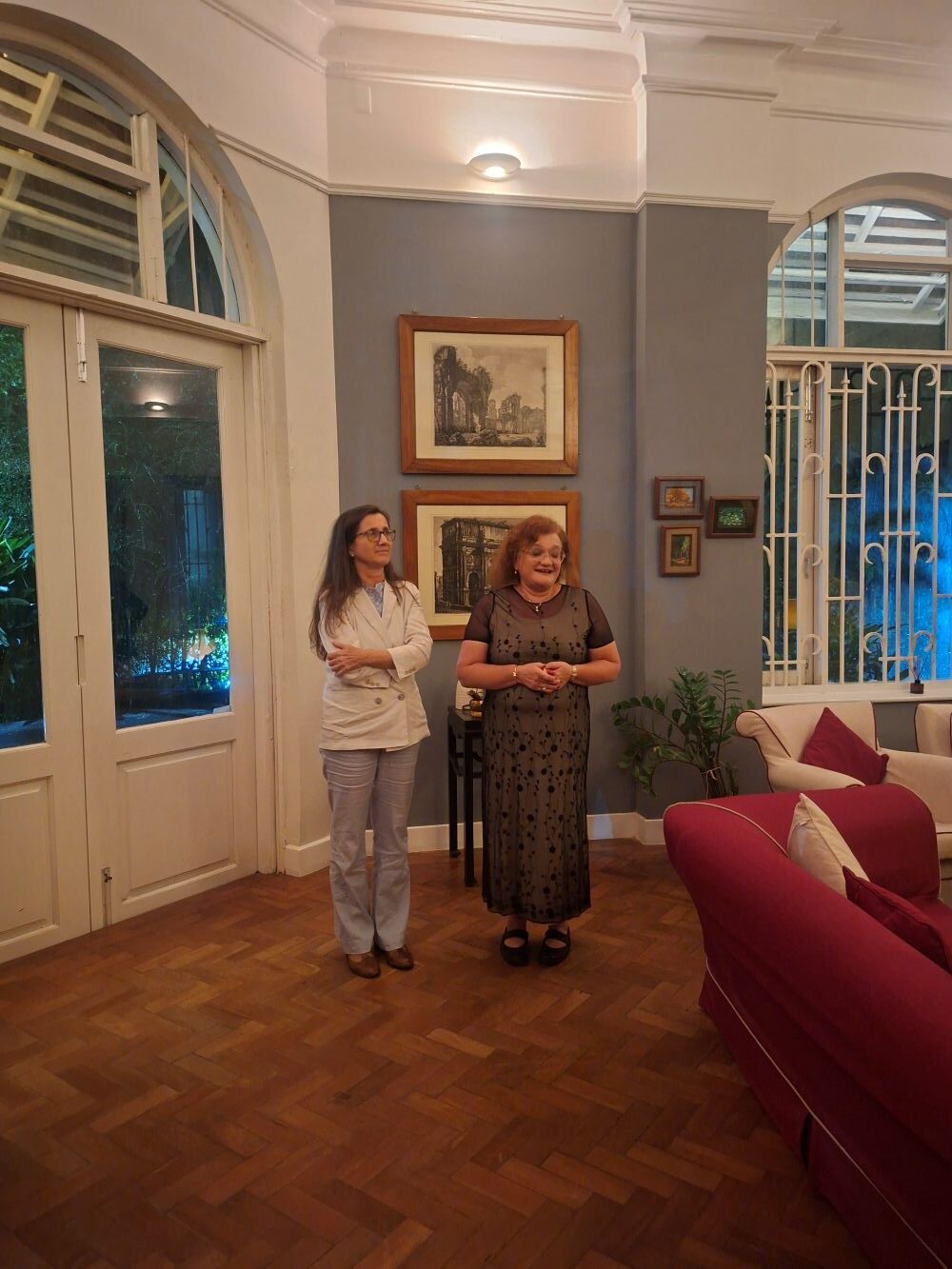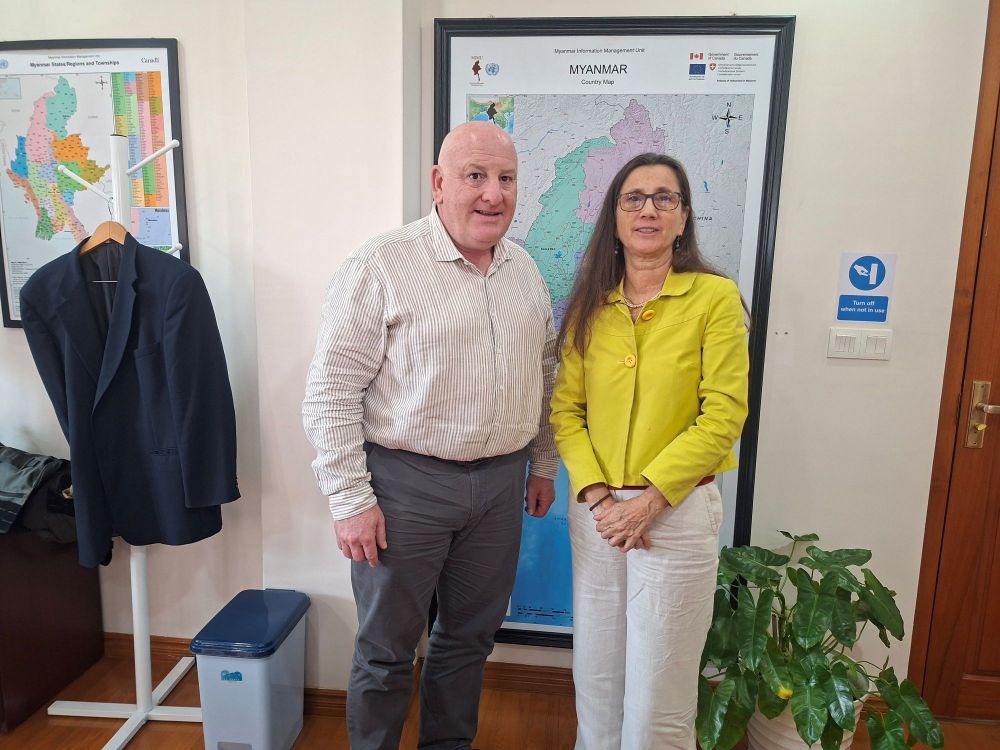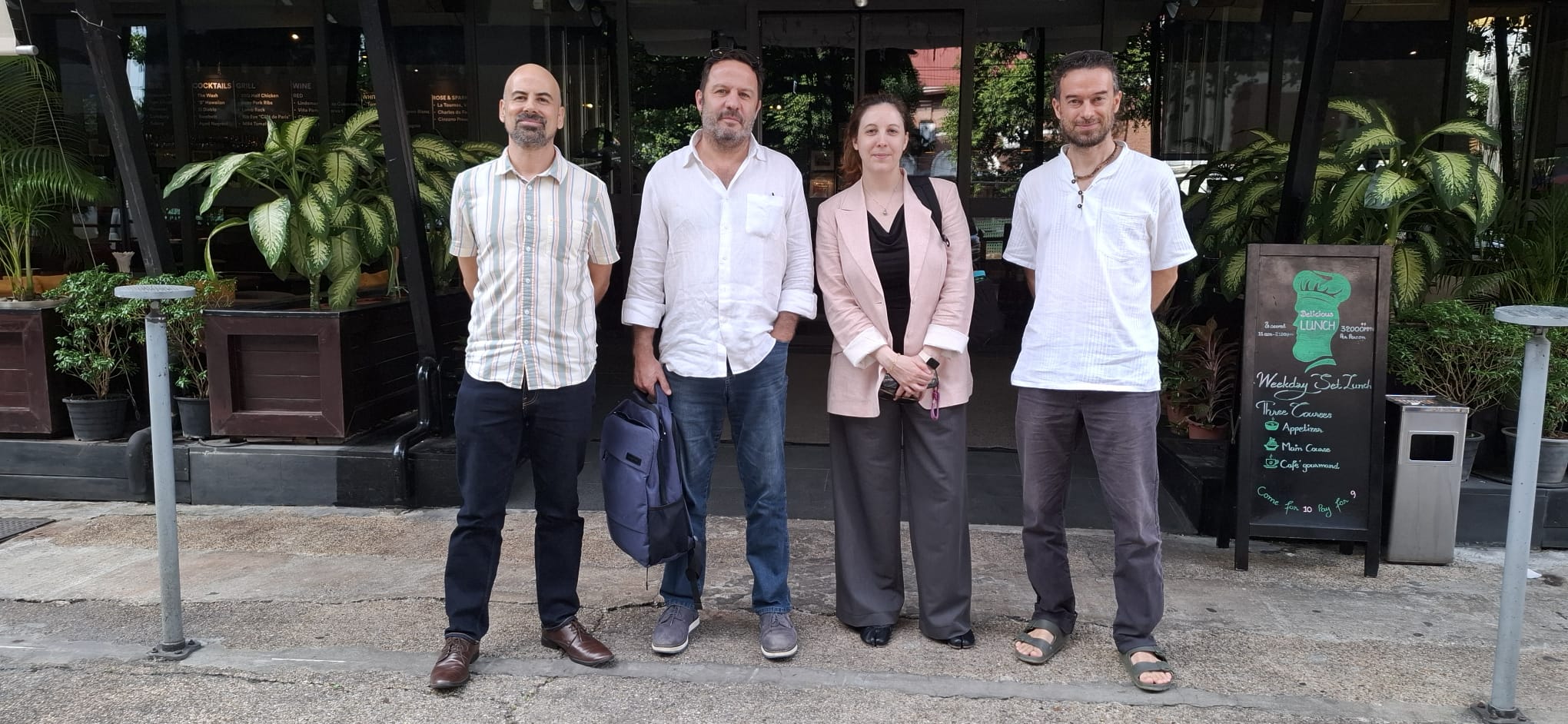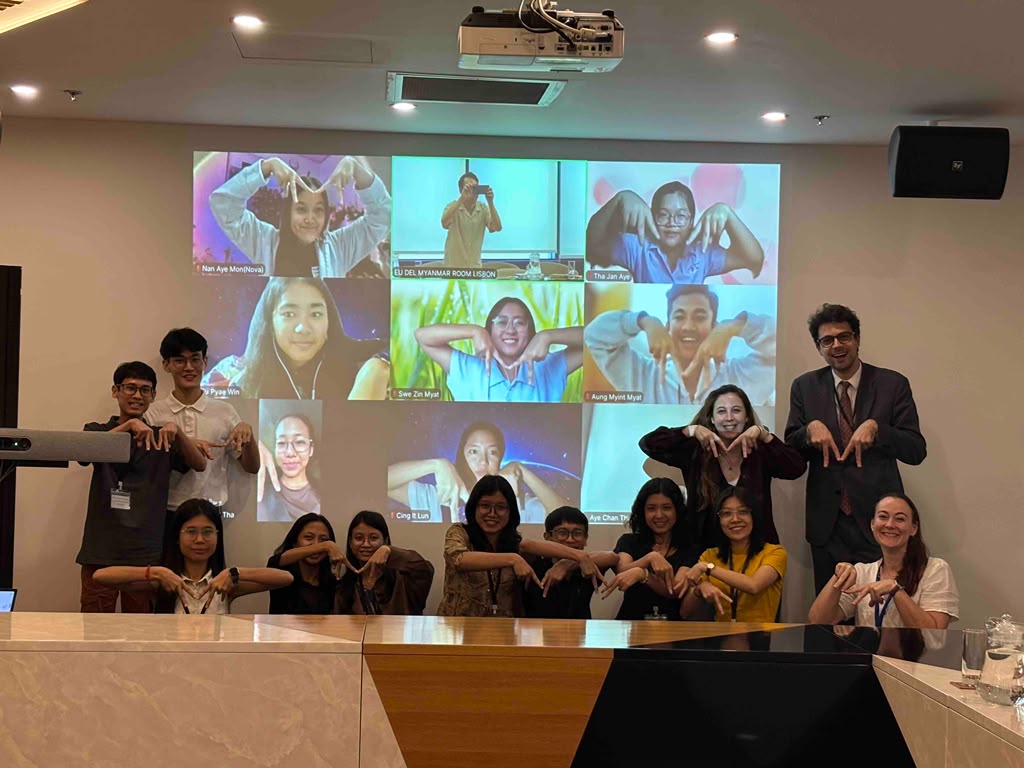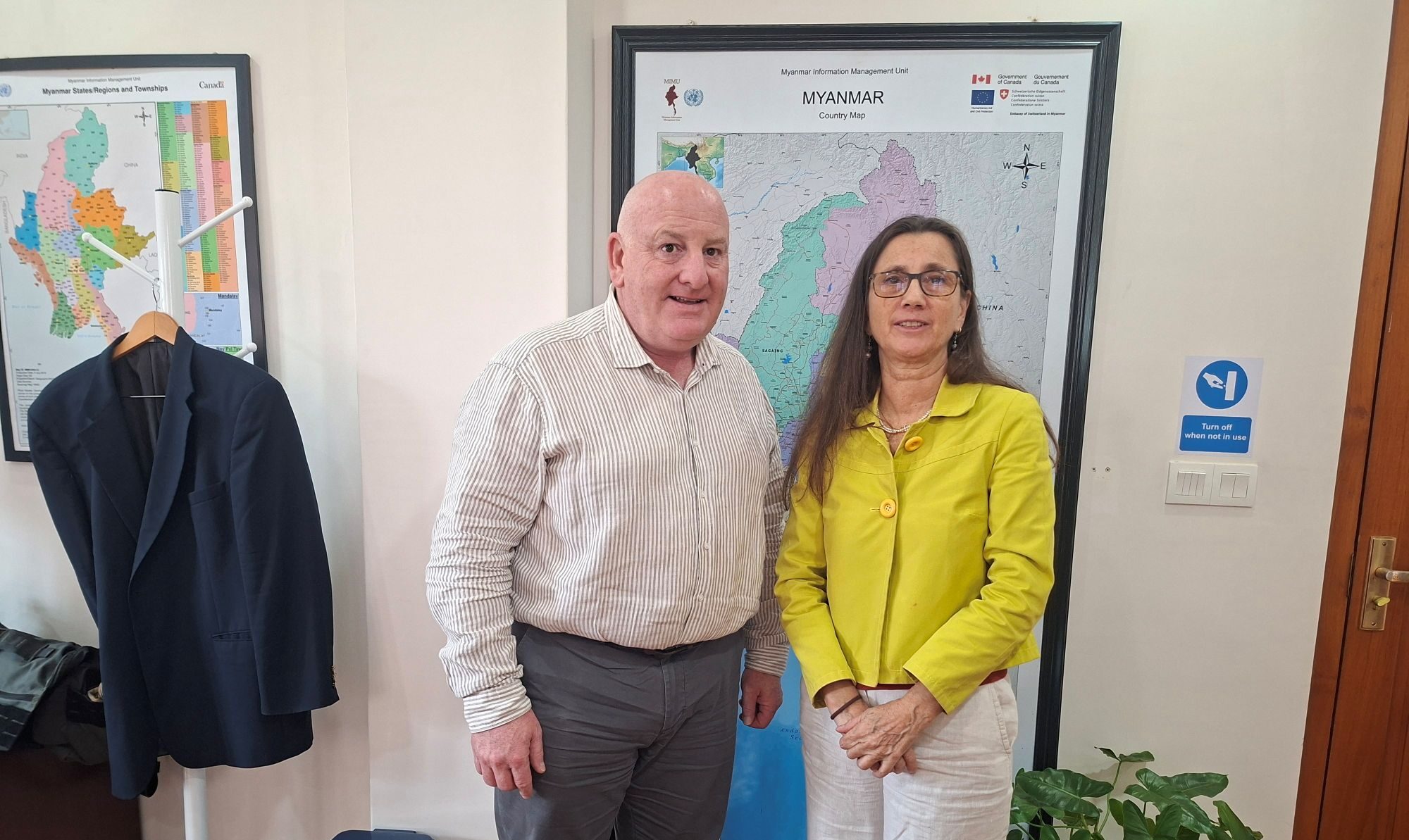
Hanoi – The Head of the AICS Office in Hanoi, Margherita Lulli, accompanied by Emergency Expert Valérie Broudic, carried out an institutional mission to Yangon, Myanmar, on 19 and 20 November 2026. The mission took place within the framework of the renewed commitment of Italian Cooperation to supporting the most vulnerable people in Myanmar, a country where Italy has been present since the early 2000s, initially through a Local Technical Unit and subsequently through the AICS Office in Yangon. Following the coup d’état of 1 February 2021, Italian Cooperation suspended cooperation initiatives with the central and local authorities. Responsibility for Myanmar and the management of humanitarian interventions were therefore transferred to the AICS Office in Hanoi. Against this background, the mission aimed to strengthen coordination with the Embassy of Italy and dialogue with institutional and humanitarian partners, gather further information to inform the future planning of cooperation interventions in the country, and assess the operational conditions for subsequent field monitoring missions.
Currently, several interventions implemented by Italian Civil Society Organizations (CSOs) are ongoing under the two emergency Calls for Proposals launched by AICS Hanoi in 2025 and 2026. In particular, CESVI, New Humanity International, ASIA and Medacross are implementing emergency and early recovery initiatives under the programme entitled “Emergency and Early Recovery Intervention in the Sectors of Food Security and Livelihoods, Health and Education to Strengthen the Resilience of Vulnerable Populations in Myanmar”. The areas of intervention include food and nutrition security, the restoration of agricultural activities and livelihoods, access to education and basic healthcare services, safe drinking water and sanitation, protection, as well as the provision of emergency shelter and essential relief items. These interventions aim to address the immediate needs of the population while also strengthening the resilience of the most vulnerable communities, reaffirming Italian Cooperation’s commitment to supporting the people of Myanmar.
Although the initial programme also envisaged field visits to the funded projects, operational and access constraints limited the mission to the city of Yangon. Nevertheless, the visit provided an important opportunity for direct exchanges with the main humanitarian actors operating in the country, allowing the delegation to gain further insight into intervention priorities, operational challenges and the difficulties affecting humanitarian and cooperation activities in the current context in Myanmar. During the mission, the AICS delegation met with representatives of several United Nations agencies, the Delegation of the European Union and Italian Civil Society Organizations active in the country. A particularly significant meeting took place at the Embassy of Italy with the Head of Mission, Marilina Armellin, and the Deputy Head of Mission, Federico Scanzi. The meeting provided an opportunity to consolidate institutional coordination and initiate a shared reflection on future intervention opportunities, humanitarian priorities and the most effective operational approaches to continuing Italy’s support for the people of Myanmar.
The mission confirms Italian Cooperation’s continued attention to Myanmar and the importance of maintaining ongoing dialogue with institutional and humanitarian partners to ensure that interventions are increasingly targeted, coordinated and responsive to the needs of the most vulnerable communities.