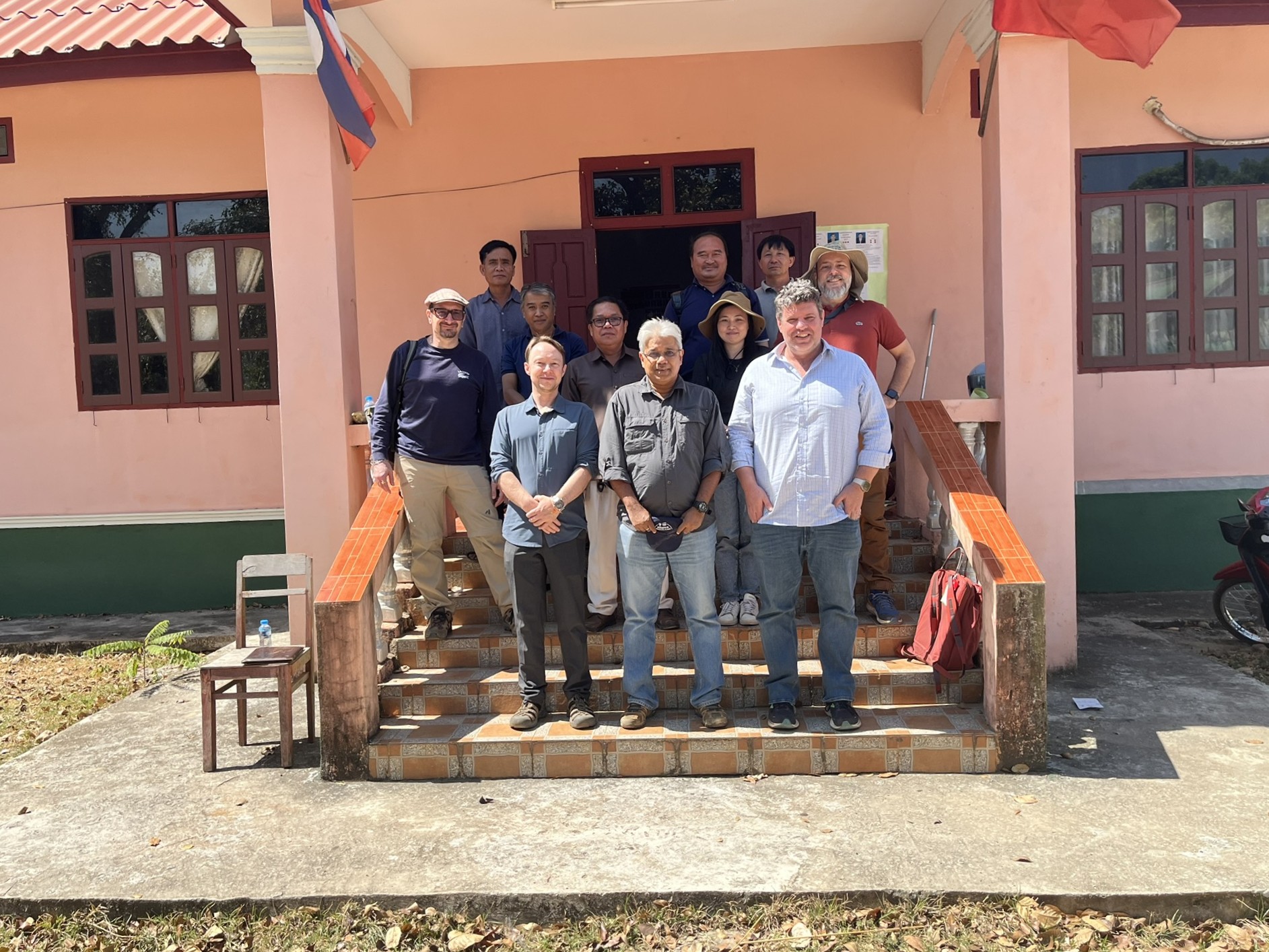
Hanoi – A joint mission between AICS Hanoi and Alliance Bioversity & CIAT, partners of the project funded by the Italian Cooperation “Scientific and Technical Support in Sustainable Agriculture in ASEAN Countries – 3S”, recently launched, took place in Laos from 8 to 13 February.
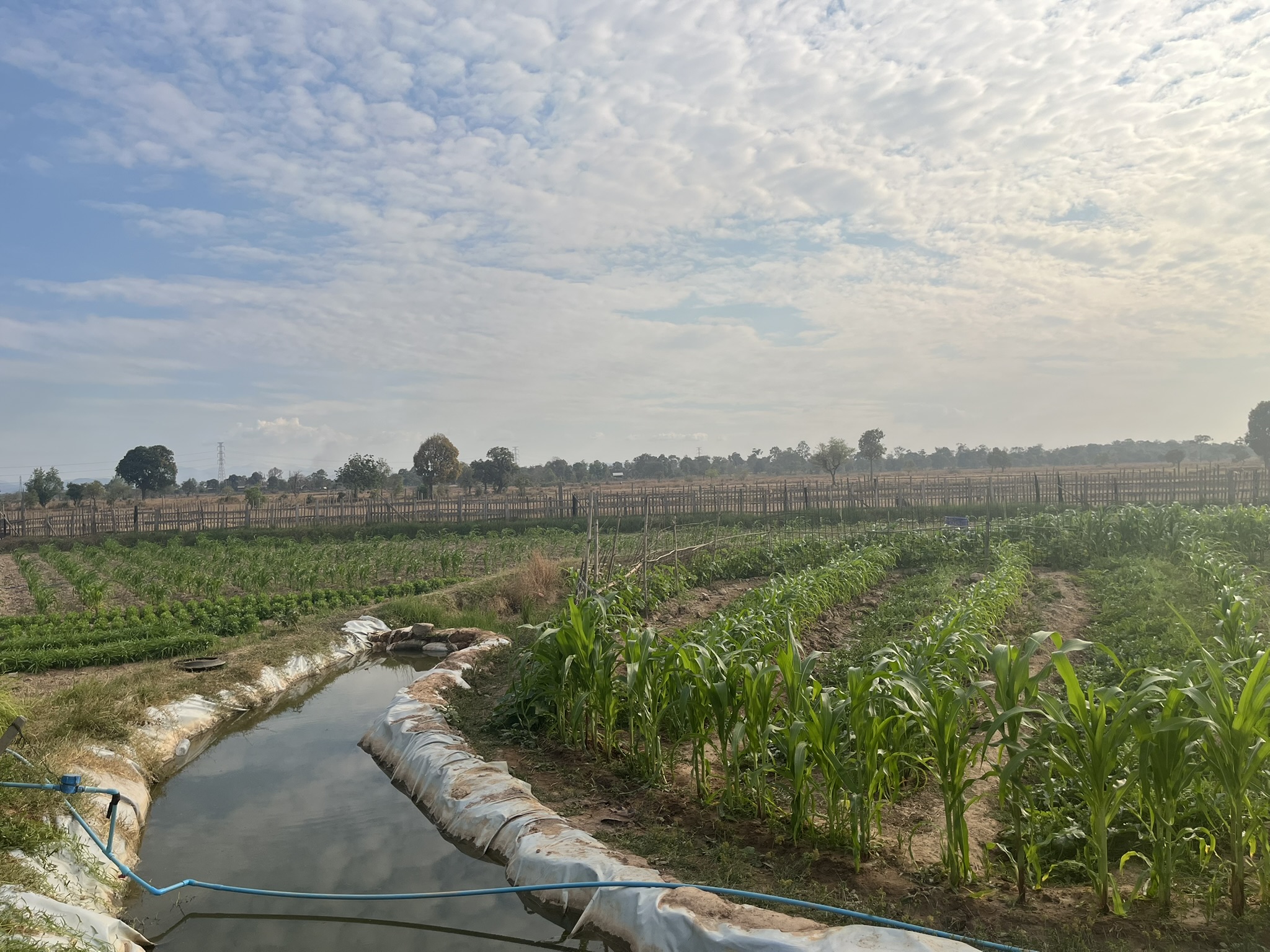
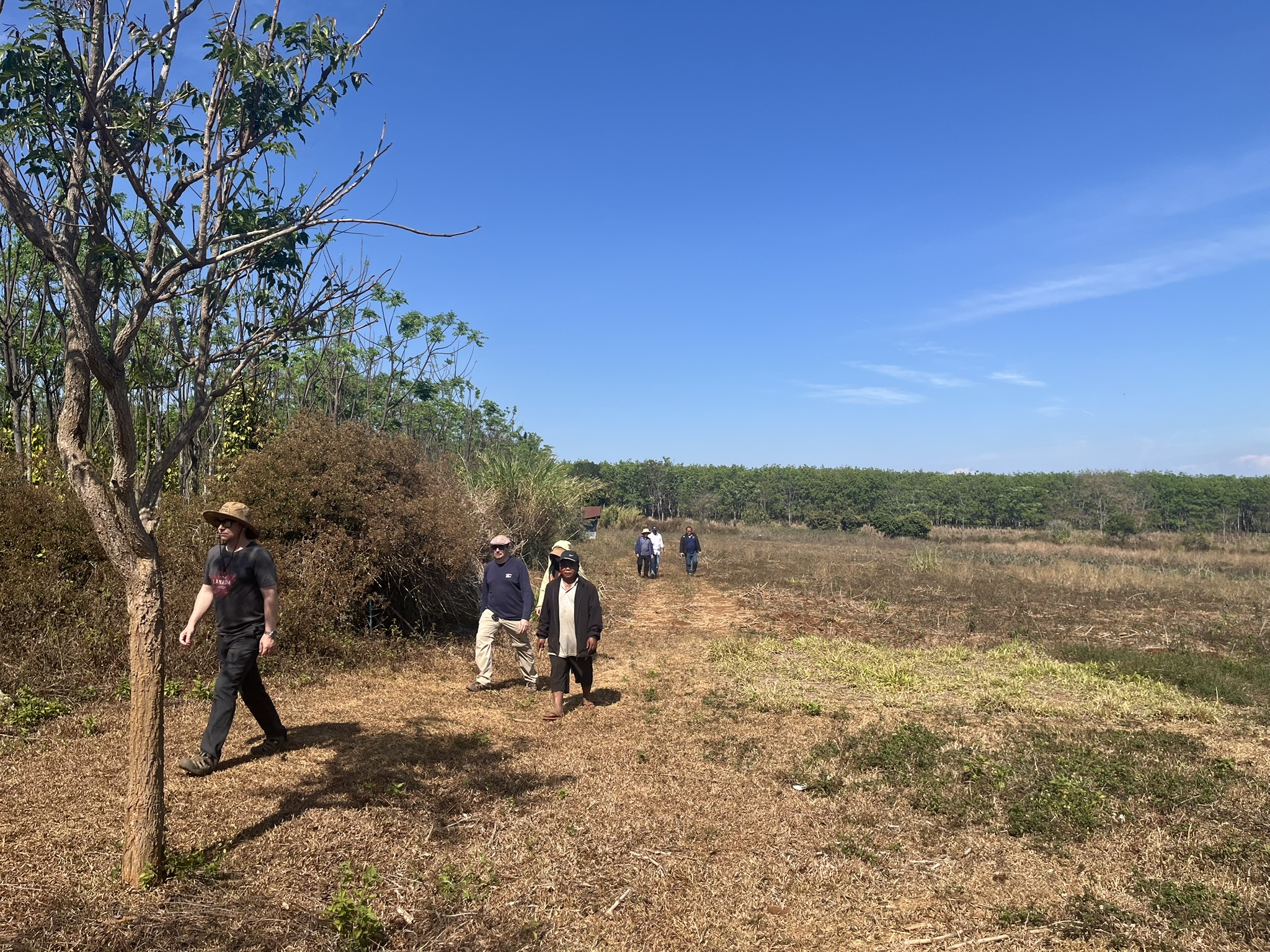
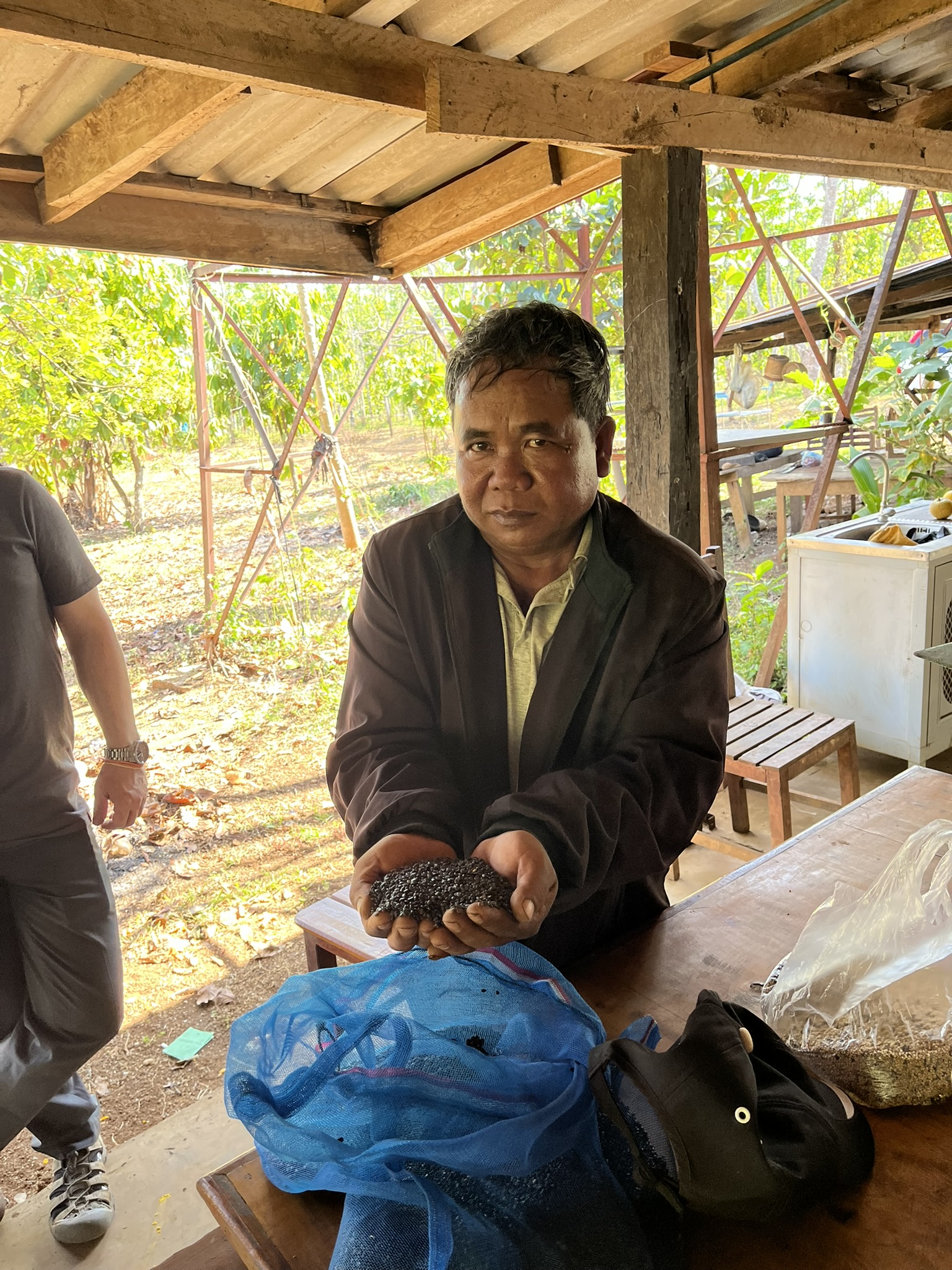
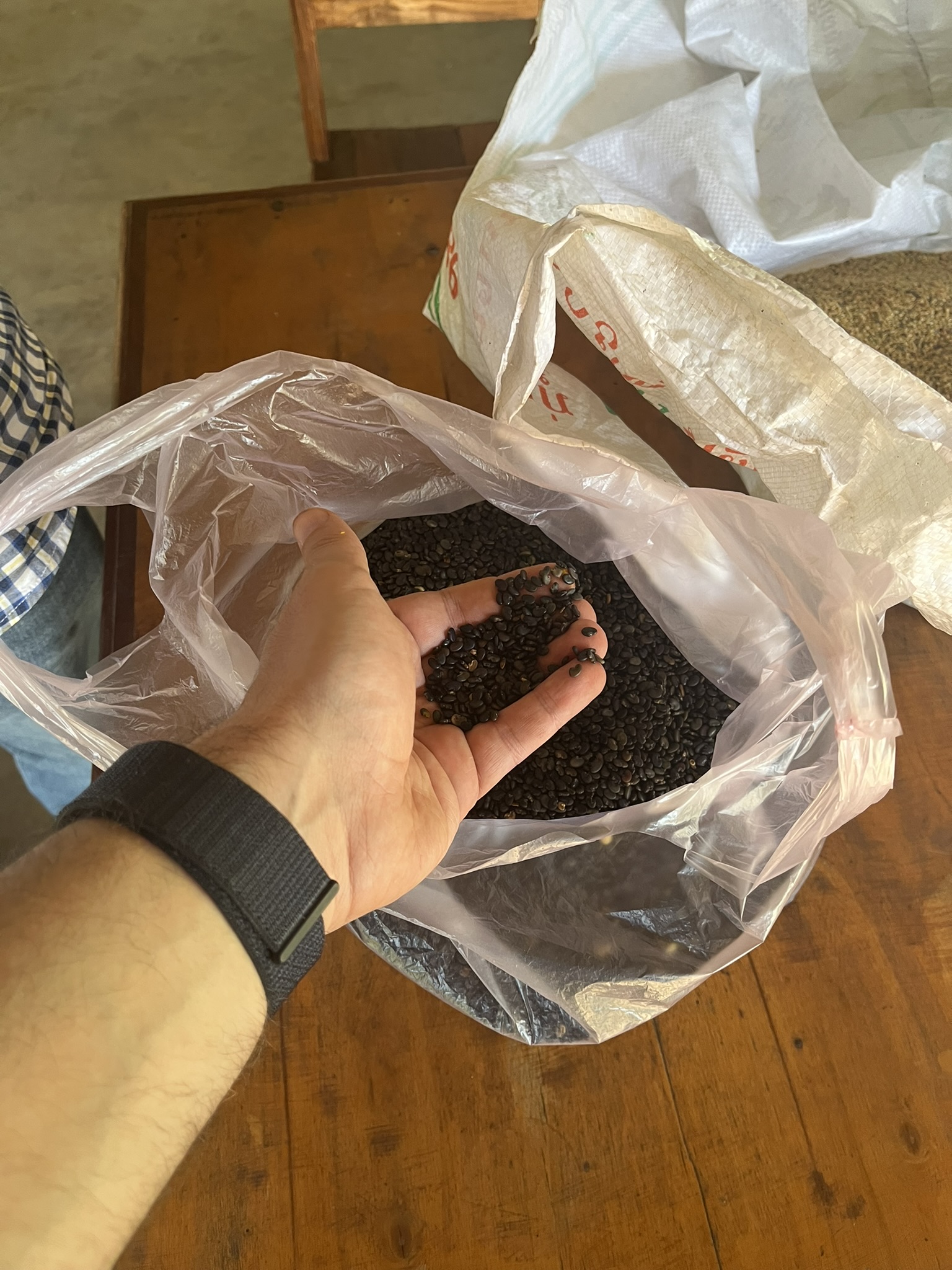
The field visit made it possible to identify potential pilot project sites and to select the main crop, cassava, among those included in the initiative, together with sugarcane and maize. The activities, both scientific and institutional in nature, were carried out in Vientiane, in the district of Paklai (meeting with the Department of the Ministry of Agriculture), in Sayabouri Province (Bureau du Fonds de Développement de l’Agriculture de Conservation), and in Attapeu (Department of Agriculture and Forestry).
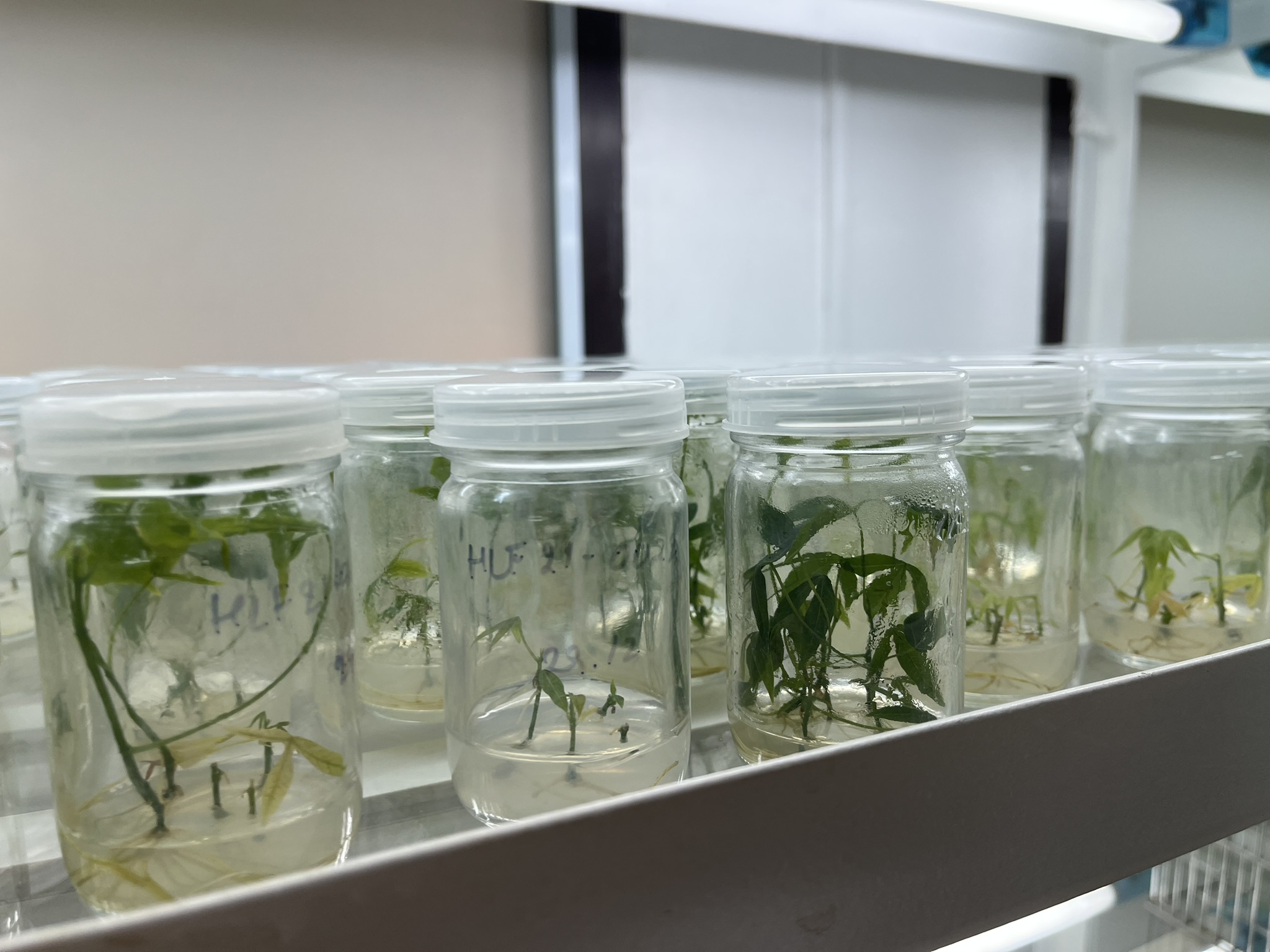
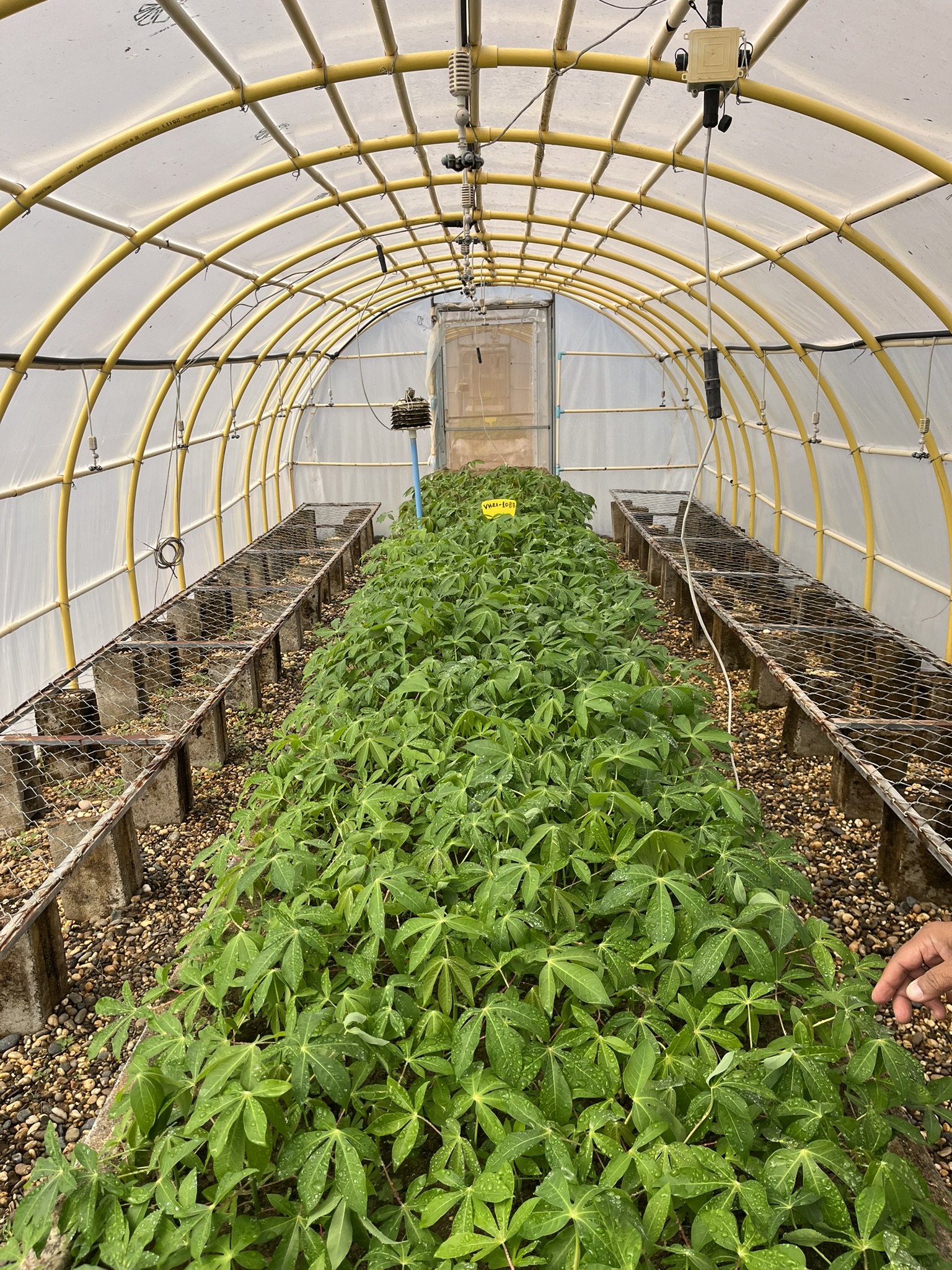
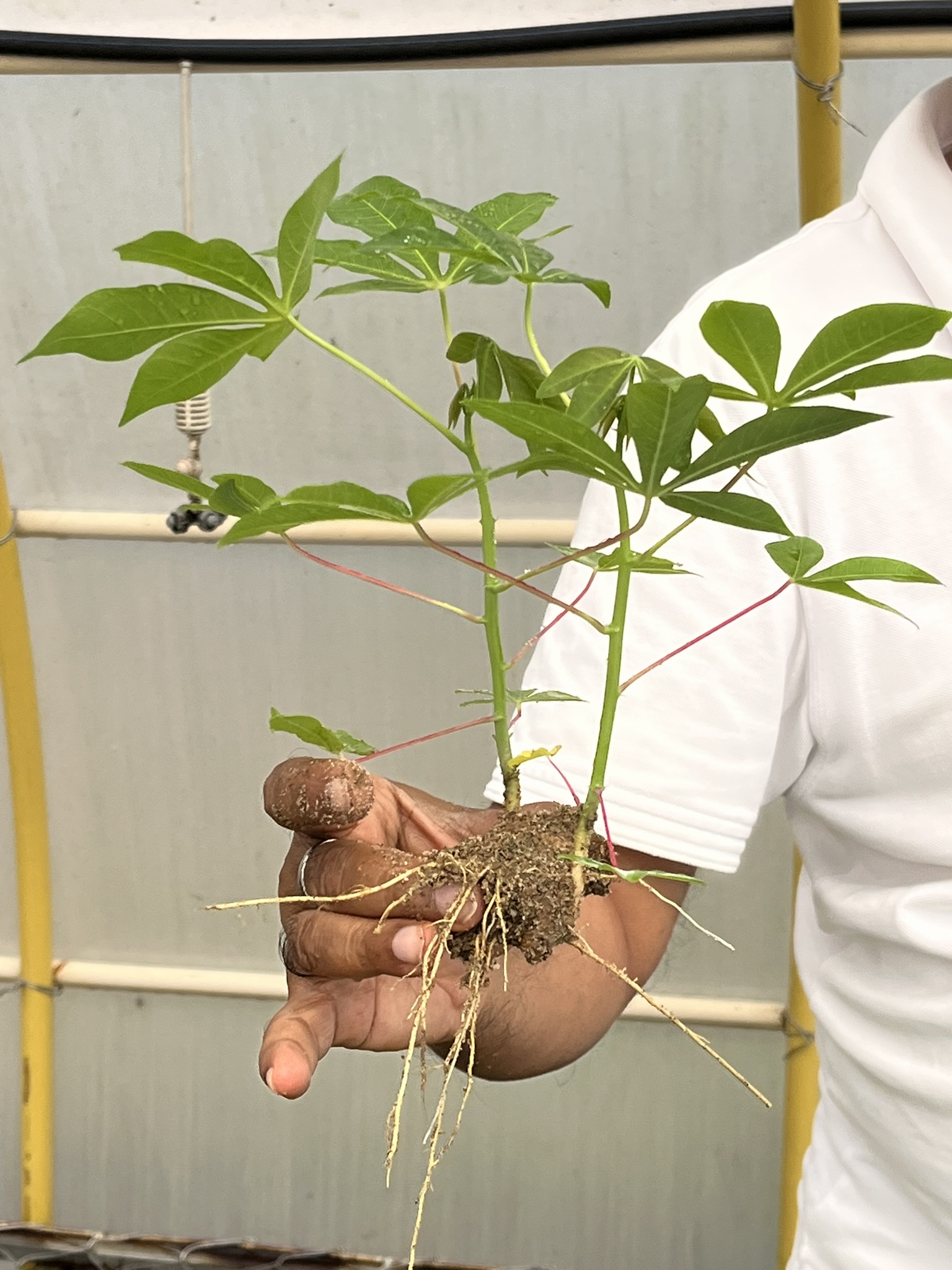
In Laos, agriculture represents a key economic sector, contributing around 21% to the national GDP. Cassava production, a strategic commodity, especially for starch exports throughout Indochina, is currently threatened by an invasive fungus that drastically reduces starch yield, as well as by severe soil erosion that undermines land fertility. The search for new agricultural land is also driving reactive deforestation, leading to increased greenhouse gas emissions and the emergence of laterite, a superficial rocky layer typical of tropical areas which, once exposed, renders the soil unsuitable for agriculture.
It is therefore increasingly urgent to identify sustainable production models, and the 3S project aims to address these challenges in a cross-cutting manner by promoting resilient and innovative agricultural practices.
One of the potential pilot sites has been identified in the district of Attapeu, in southern Laos, where approximately 10,000 hectares of land are available for cassava cultivation and where a network of farmers already collaborating with Alliance Bioversity & CIAT is active. The goal is to strengthen and expand existing conditions.
In Attapeu, near-zero level of mechanization and limited access to agricultural credit were also observed, factors that make the area particularly suitable for the introduction of the innovations envisaged by the 3S project, including agricultural technologies and machinery.
Focusing on cassava means protecting primary forests, making small producers more independent, and strengthening their position in the global starch market, better known as tapioca starch and increasingly used in gluten-free and highly digestible foods, as a natural thickener, and for its high caloric content.