Hanoi – What are the risks associated with sexual exploitation, abuse and harassment, and how can they be recognized? What prevention, reporting and support mechanisms are available?
The training session on the prevention of sexual exploitation and abuse, addressed to AICS Hanoi staff, aimed to provide practical and concrete answers to these questions, also considering the humanitarian dimension of the Office’s activities and its engagement with beneficiaries and communities involved in cooperation initiatives.
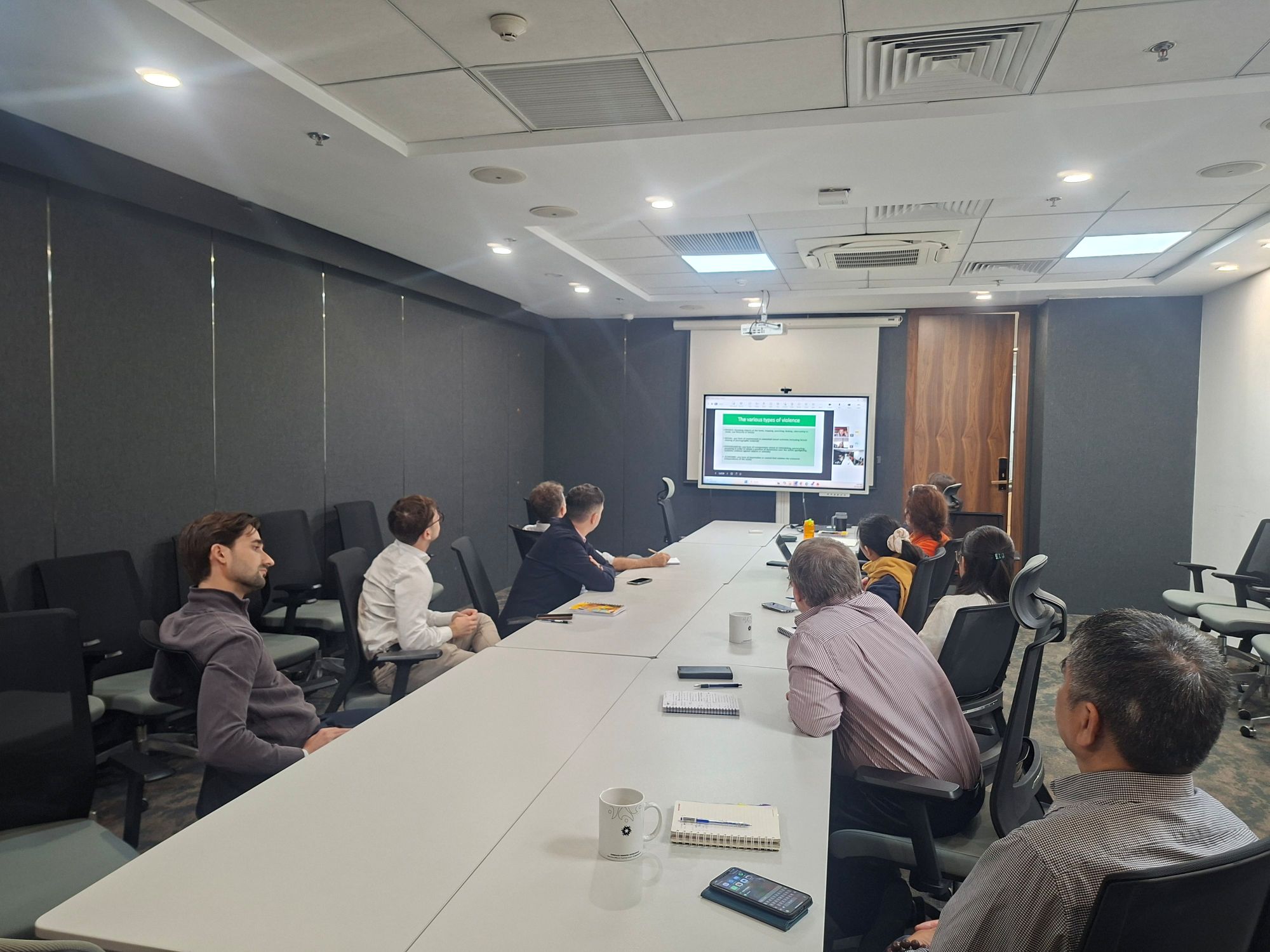
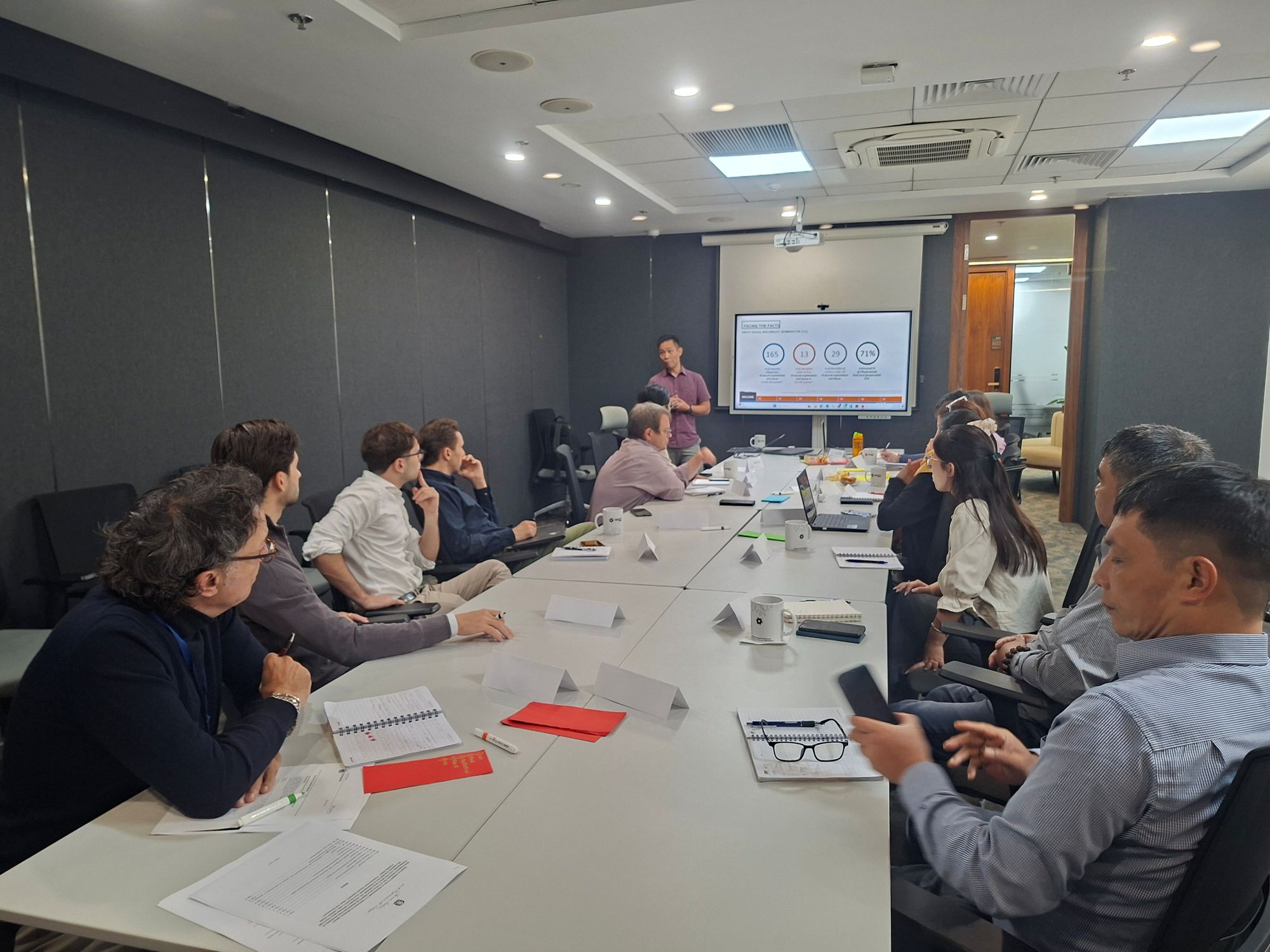
On 9 November, the AICS Hanoi team took part in a hybrid training session organized into two modules. The first was led by UNICEF Vietnam’s PSEA Focal Point, Mr Nguyec Ngog Anh, following the organization’s standard training modules and focusing on the prevention of sexual exploitation and abuse.
The session presented concrete and realistic scenarios related to the work of humanitarian personnel. It also clarified the distinction between sexual exploitation and abuse, which primarily concern interactions with beneficiaries and communities involved in projects, and sexual harassment, which may occur within the workplace and is addressed through each organization’s internal procedures.
The afternoon session focused on the protection and support mechanisms available within AICS. Following an introductory contribution by Marta Collu, AICS Gender Focal Point, AICS Confidential Counsellor, lawyer Nicoletta Parvis, explored the issue of gender-based violence, providing practical guidance on how to recognize potential signs of violence and how to offer initial support to those affected, while maintaining a respectful, confidential and person-centered approach.
The Confidential Counsellor also presented the services provided by the AICS Listening Desk (Sportello di Ascolto), explaining how to access it and the different forms of listening, guidance and support available. The presentation provided a natural conclusion to the training day, connecting the general principles explored during the sessions with the practical tools and mechanisms made available by the Agency.
The experience confirmed the importance of promoting participatory training opportunities based on real-life situations and tailored to participants roles and working contexts. The day also provided an opportunity to recall that, through the Decision of the Director of the Agency No. 2195 of 13 June 2025, the new AICS Code of Ethics and Conduct incorporates the PSEAH Code as an integral part.